
Image courtesy of Michael Rivera
Many school districts across the country are reviewing their budgets and deciding where cuts must be made. It is a tough decision to make, but lately many districts have been making cuts in the one area which negatively affects the largest amount of students – transportation.
Students of all demographics rely on buses to get to and from school and many of those students are faced with extreme difficulties with making it to school when transportation gets put on the chopping block.
Not only that, but as a recent report from Thomas McMahon shows, cutting bus service creates other less expected problems for all students, whether they previously rode the school bus or not.
Estimates say an individual bus is able to keep 36 cars on average off the road during the most congested hours of morning traffic. Without these buses, traffic conditions for parents trying to get their kids to school quickly become chaotic and dangerous.
The Etiwanda School District in California discontinued school bus service during the 2010-11 school year, and the problems have begun to build up. First, parents and the school had to work together to ensure that children in need of transportation wouldn’t be deprived of schooling. Then, the influx of cars added into the typical school traffic in the morning created awful traffic conditions that parents consistently described as “chaotic”
Most tragically, the chaos surrounding school traffic in the mornings led to the death of 9-year-old Ashlyn Gardner on Dec. 4 of last year. Ashlyn and her 7-year-old brother Landon were crossing the street near Etiwanda Colony Elementary when they were struck by a pickup truck.
Unfortunately, local parents only took action after a life was lost. But, since the death of Ashlyn Gardner local parents have begun two online petitions specifically calling for the return of school bus service.
It is no secret that running and maintaining an entire fleet of buses is expensive, but it is a necessary cost and passing the buck onto parents isn’t the right answer – especially when it creates conditions that put children at a safety risk.
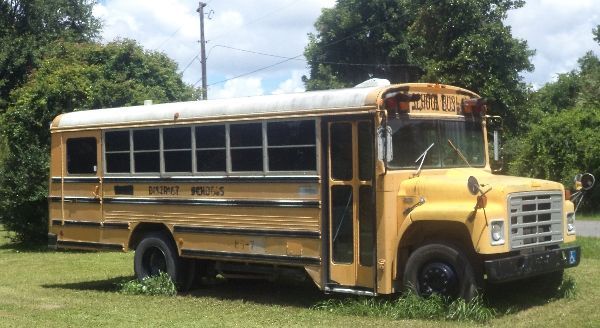
District transportation departments can find numerous ways to keep costs reasonably low while still providing a much needed service to students and their families. There are more modern solutions such as alternative fuels which can reduce the cost of fueling buses, but another strategy is extending the life of older buses by letting experienced professionals restore the bus at a much lower cost than replacing aging vehicles.
Countless buses retired every year are still able to offer reliable service with some hard work and expertise. We are able to tear down buses to their chassis and rebuild everything that is needed – getting old buses back up to modern standards while improving the performance of the vehicle overall. Most importantly, restoring a bus can put 5 years of life or more back into a bus that others have given up on, keeping you from having to spend huge amounts of money on new buses for quite a long time.
