
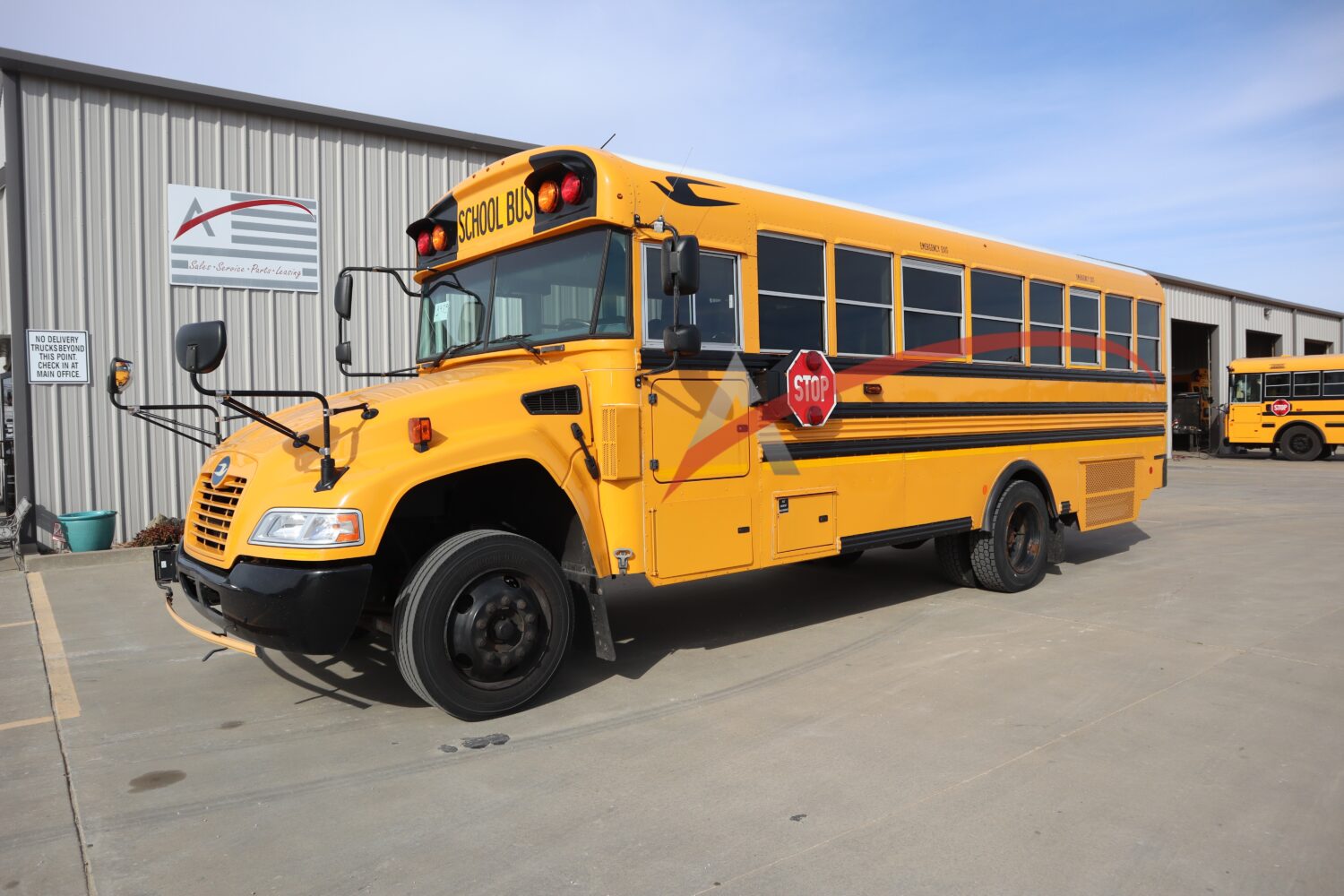
Owning a bus is an essential decision for any business, organization, or individual. It allows for the transportation of people and goods efficiently and cost-effectively. However, when it comes to purchasing a bus, there are two main options to consider: leasing or buying.
Leasing involves paying a monthly fee to use a bus that is owned by another party, typically an equipment leasing company. This allows the lessee (the person leasing the bus) to utilize the vehicle without having ownership rights. Buying involves purchasing a bus outright, either with cash or through financing. The buyer becomes the owner of the bus and has full control over its use.
Our team at American Bus Sales understands that this decision can be overwhelming, and we want to help guide you in making the best choice for your business. In this guide, we will break down the economics of bus ownership and compare the advantages and disadvantages of leasing versus buying.
Leasing a Bus
Leasing a bus involves paying a monthly fee to use the bus for a set period of time. At the end of the lease term, you can either return the bus or purchase it at an agreed-upon price. Some of the advantages of leasing include:
• Lower upfront costs: When leasing a bus, businesses do not have to make a large initial investment compared to buying one outright. This can be beneficial for businesses with limited budgets or those looking to conserve cash flow.
• No ownership responsibilities: With a leased bus, the owner is responsible for maintaining and repairing the vehicle. This relieves the lessee from any maintenance, repair, or insurance costs associated with owning a bus.
• Flexibility: Leasing allows businesses to upgrade their vehicles frequently without incurring high depreciation costs. It also provides the flexibility to choose different types of buses for specific needs, such as a school bus during the academic year and a tour bus during the summer.
• Tax benefits: Lease payments can be deducted as business expenses, reducing the overall tax burden for businesses.
However, there are also some drawbacks to leasing that businesses should consider:
• No ownership: When leasing, you don’t actually own the bus. This means you can’t make any modifications or upgrades without permission from the leasing company.
• Mileage restrictions: Most leases come with mileage restrictions, so if you go over the agreed-upon limit, you may have to pay additional fees.
• Higher long-term costs: While leasing may be cheaper in the short term, over a longer period of time, the cost of continuous monthly payments may add up to more than if you had purchased the bus outright.
Buying a Bus
Buying a bus involves paying for the full cost upfront or taking out a loan and making monthly payments until the bus is fully paid off. Buying a bus offers several advantages, such as:
• Long-term cost savings: While buying a bus may require a larger initial investment, it can be more cost-effective in the long run. Once the loan is paid off, businesses will no longer have to make payments and can continue using the same vehicle without any additional costs.
• Greater control and flexibility: Owning a bus gives businesses more control over its usage and maintenance. It also allows them to customize the vehicle according to their specific needs.
• Potential for resale value: If properly maintained, buses can retain their value and be resold in the future, providing businesses with an additional source of income.
However, there are also some disadvantages to buying a bus:
• Higher upfront costs: Buying a bus typically requires a larger initial investment compared to leasing.
• Maintenance costs: As the owner, you are responsible for all maintenance and repair costs. This can add up over time, especially if there are major issues with the bus.
So Which Option Is Best?
• What is the total cost of ownership? This includes not just the initial purchase or lease price but also ongoing expenses such as insurance, maintenance, and repair costs.
• How often will the bus be used? If it will be used frequently, then owning may be more cost-effective in the long run. However, if usage is limited and sporadic, leasing may be a better option.
• What are the mileage restrictions in the lease agreement? If there are significant limitations, it may be more cost-effective to purchase a bus that has no mileage restrictions.
• What is your budget and cash flow situation? Leasing requires a lower upfront cost but results in ongoing monthly payments. Purchasing, on the other hand, requires a larger investment upfront but does not come with monthly payments.
It’s important to carefully consider all factors, such as your budget, plans for the bus, and potential future expenses. It may also be beneficial to consult with a financial advisor or accountant to determine which option makes the most sense for your business or organization.
Final Thoughts
The decision between leasing and buying a bus is not an easy one and requires careful consideration of your business’s needs and financial situation.
At American Bus Sales, we offer both leasing and financing options to help you find the best solution for your specific needs. Our experienced team can also guide you through the process and answer any questions you may have.
Ultimately, whether leasing or buying is the best option for your business will depend on various factors that are unique to your situation. We hope this article has provided some valuable insights to help you make an informed decision. We look forward to hearing from you and helping you decide if leasing or buying is better for you! Call us at (866) 574-9970 for more information.
Contact Us
Contact Us Hours: Mon-Fri 7:30AM-4:30PM
Website: https://americanbussales.net/
Phone: 1-866-574-9970
Address: 12802 North 103rd E Ave, Col
