
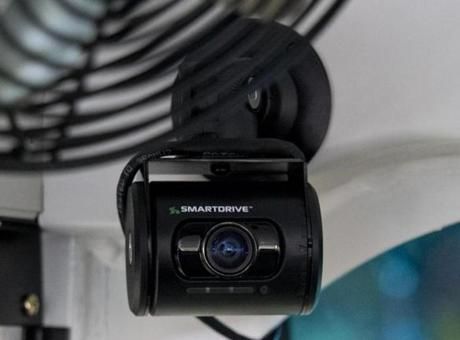
As the new school year approaches, many schools are finalizing the installation of updated monitoring systems in order to protect the safety of passengers.
For example, the Boston School District is working to equip all of its 750 school buses with cameras that record both video and audio from within the bus in an effort to discourage bullying and other disciplinary issues which regularly arise on school transportation.
The proposed system says the district plans to install two cameras in the ceiling of each bus. One will be directed toward passengers, while the other will record the driver’s perspective of the road.
But some are concerned that these new recording systems go too far and violate students’ privacy. For example, an editorial published Monday in the Globe called the proposed Boston initiative “an extreme initiative that unnecessarily infringes on private conversations.”
While critics are concerned about all aspects of interior school bus monitoring, the most harsh attacks have been on the decision to include audio recording.
“Video recordings are routine, and especially useful when it comes to identifying gross misconduct, like physical assault, on the part of bus riders,” the editors wrote. “But audio recordings are different in tone and tenor. And the city’s policy fails to make that distinction. It is not even clear how audio surveillance will keep students safer. It may even have a deleterious effect, according to defenders of civil liberties.”
I’ve been a vocal proponent of school bus recording technology, especially the increasing use of stop-arm cameras to protect disembarking students from reckless drivers. However, the questions raised about interior recording by the editorial are worthy of investigation.
While the critics argue that there is no clear way that audio recording can help protect students from school-related behavioral problems, it can be argued that a large amount of issues such as bullying are often entirely verbal; bullies are typically more likely to start with taunting or name calling before physical violence ever occurs. Audio recording could help catch the earlier stages of bullying and prevent further issues.
This does not mean the concern is entirely misplaced. While I hardly believe that the system proposed by the Boston School District creates “a culture of fear akin to being in prison” as the American Civil Liberties Union told the Globe, students often use the social environment of buses to discuss personal issues and feelings that should be considered private. If the microphones used are capable of recording intimate conversation, the system may very well be detrimental to a student’s ability to express themselves to their peers.
Ultimately, I feel the use of school bus monitoring systems comes down to discretion. Most bus recordings are only reviewed on a case-by-case basis where a driver or authority figure is looking for evidence of disciplinary problems. So long as this remains the case, it would seem that recording is more beneficial by allowing school authorities to stop bullying or other relted problems before they blossom into more significant problems.
