
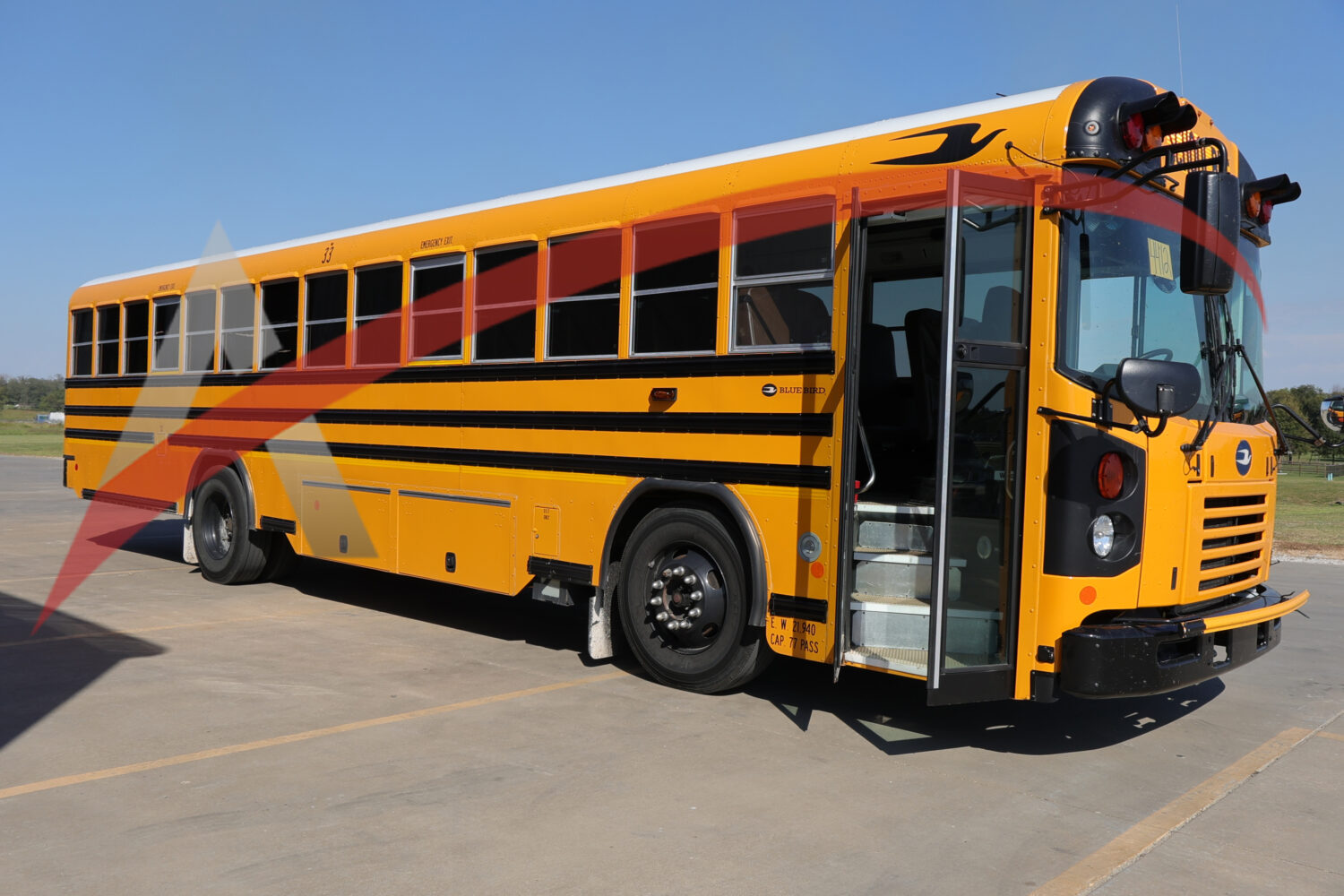
Whether you operate a school bus fleet, church bus, shuttle service, or charter company, your vehicles are on the road in all kinds of weather, from sweltering summer heat to icy winter mornings. That’s why seasonal maintenance is one of the most important parts of keeping your buses safe, efficient, and long-lasting.
At American Bus Sales, we help businesses and organizations across the country buy, maintain, and upgrade their fleets. We’ve seen firsthand how regular, proactive maintenance can extend a bus’s lifespan and prevent expensive repairs down the road.
To help you stay on track year-round, we’ve created this Seasonal Bus Maintenance Checklist to break down what to focus on during spring, summer, fall, and winter.
Why Seasonal Bus Maintenance Matters
Buses endure more stress than almost any other vehicle type. Long routes, heavy passenger loads, and changing weather conditions all take a toll on the engine, tires, and interior systems.
Seasonal maintenance helps you:
• Improve safety for passengers and drivers.
• Catch small issues early before they lead to costly repairs.
• Increase fuel efficiency by keeping components running smoothly.
• Stay compliant with state and federal transportation standards.
• Protect your investment, especially if you operate multiple vehicles.
Whether your bus is brand new or pre-owned, following a maintenance schedule that adapts to the seasons will help it stay reliable and road-ready all year long.
Spring Maintenance: Recover from Winter
After months of cold temperatures, road salt, and ice, spring is the perfect time to give your buses a thorough inspection.
1. Wash and Inspect the Exterior
Road salt and grime can cause corrosion and rust, especially along the undercarriage. Give your buses a deep wash, top to bottom, and check for rust spots, chipped paint, or damage from debris. A protective wax coat can also help prevent corrosion during rainy months.
2. Check the Undercarriage and Suspension
Winter potholes and rough roads can cause wear and tear on shocks, struts, and suspension components. Have a mechanic inspect the undercarriage for cracks, leaks, or loose parts.
3. Inspect the Braking System
Moisture and road salt can affect brake performance. Inspect brake pads, rotors, and lines for rust or uneven wear. Replace any worn parts before the bus returns to full route schedules.
4. Examine Tires
Temperature changes can affect tire pressure and wear patterns. Make sure each tire is inflated to the correct PSI and check the tread depth. Rotate or replace tires as needed, especially before long spring and summer trips.
5. Replace Wiper Blades and Check Washer Fluid
Wipers take a beating in winter. Replace them if they leave streaks or squeak against the windshield. Top off washer fluid with a spring/summer blend for better cleaning in warmer weather.
6. HVAC System Tune-Up
Before the first hot day hits, make sure your air conditioning system is fully functional. Inspect belts, compressors, and refrigerant levels to ensure your passengers stay comfortable.
Summer Maintenance: Keep It Cool and Efficient
High temperatures and long trips can push your buses to their limits. Prevent overheating and breakdowns with these summer maintenance steps.
1. Cooling System Inspection
The cooling system is your first line of defense against overheating. Check coolant levels, radiator hoses, water pumps, and thermostats. Flush and replace coolant if it’s discolored or more than two years old.
2. Air Conditioning Performance
Bus passengers, especially on school, church, and charter routes, rely on good airflow in the summer. Test the AC in all sections of the bus, clean or replace cabin air filters, and check for refrigerant leaks.
3. Battery and Electrical Systems
Hot weather can shorten battery life. Inspect batteries for corrosion and clean terminals. Make sure alternators and starters are working properly to avoid mid-route failures.
4. Tire Pressure and Alignment
Heat increases tire pressure, which can cause blowouts if not monitored. Check pressure weekly and adjust as needed. Inspect alignment to prevent uneven wear, which can lead to fuel inefficiency.
5. Fluid Checks
Oil, transmission fluid, brake fluid, and power steering fluid should all be checked regularly in the summer months. Heat can thin these fluids, reducing their effectiveness.
6. Clean the Interior and Check Safety Features
Summer is the perfect time to deep-clean the interior, especially after a busy school year. Sanitize handrails, seats, and driver areas. Test emergency exits, seat belts, and lighting to ensure they meet safety standards.
Fall Maintenance: Prepare for Colder Weather
Fall is all about getting ahead of winter. As temperatures start to drop, your focus should shift to ensuring your bus can handle freezing conditions and unpredictable weather.
1. Inspect and Replace Filters
High temperatures and long trips can push your buses to their limits. Prevent overheating and breakdowns with these summer maintenance steps.
2. Battery Test
Cold weather is hard on batteries, so test voltage and charging capacity now. Replace any batteries showing signs of weakness before winter hits.
3. Heating System Inspection
Before temperatures drop too low, test your heating system. Check blowers, vents, and defrosters to make sure they’re ready for cold mornings.
4. Inspect Belts and Hoses
Rubber components become brittle as temperatures drop. Look for cracks or fraying on belts and hoses, and replace anything that looks worn.
5. Tire Check and Replacement
Switch to winter-ready tires if your routes include snow or icy conditions.
6. Fluid Top-Off
Check antifreeze, oil, and windshield washer fluid. Make sure antifreeze is at the proper strength to protect against freezing.
7. Emergency Supplies
Equip each bus with a winter emergency kit, including blankets, a flashlight, an ice scraper, a first-aid kit, and tire chains if necessary.
Winter Maintenance: Protect Against the Cold
Winter brings the harshest driving and operating conditions. Prevent breakdowns and keep your drivers safe with extra attention to cold-weather readiness.
1. Daily Pre-Trip Inspections
Encourage drivers to check tire pressure, lights, fluids, and wipers before each route. Catching small issues early can prevent mid-route emergencies.
2. Cold-Start Readiness
Use the correct grade of oil for winter conditions, and ensure your batteries and glow plugs (for diesel engines) are functioning properly. Consider installing block heaters for buses parked outdoors overnight.
3. Tire Traction and Pressure
Cold air reduces tire pressure, so monitor PSI closely. Make sure treads provide enough grip for snow or ice.
4. Keep Fuel Systems Protected
In diesel buses, use anti-gel additives to prevent fuel from thickening in low temperatures. Drain water separators regularly to prevent freezing.
5. Keep Fluids from Freezing
Ensure windshield washer fluid and coolant are winter-formulated. Double-check that the antifreeze mix protects down to your region’s lowest expected temperature.
6. Lubricate Locks and Hinges
Cold, wet conditions can freeze moving parts. Apply silicone spray or lubricant to locks, hinges, and door seals to prevent sticking.
7. Monitor Brakes and ABS Systems
Cold weather can affect brake response time. Inspect brake lines for moisture, which can freeze, and test your ABS to make sure it’s working correctly.
8. Post-Trip Cleaning
Rinse buses regularly to remove road salt and prevent corrosion, especially underneath the frame and wheel wells.
Year-Round Maintenance Tips
No matter the season, there are a few things every bus owner should stay on top of year-round:
• Keep accurate maintenance records for every vehicle in your fleet.
• Inspect safety systems like lights, horns, emergency exits, and fire extinguishers.
• Regular oil changes based on manufacturer recommendations or hours of use.
• Train your drivers to report any unusual sounds, smells, or performance changes immediately.
Consistency is key. The more you stay proactive with inspections and maintenance, the fewer surprises you’ll face on the road.
Final Thoughts
Seasonal maintenance isn’t just about checking boxes; it’s about protecting your investment, your passengers, and your peace of mind. By following a clear bus maintenance checklist throughout the year, you can reduce downtime, prevent costly breakdowns, and ensure your vehicles stay road-ready in any weather.
If you’re ready to upgrade or expand your fleet, American Bus Sales is here to help. We’ve built our reputation on quality, service, and reliability, and we’re proud to support transportation providers nationwide.
Contact American Bus Sales today at 866.574.9970 to learn more about our buses for sale.
Contact Us
Hours: Mon-Fri 7:30AM-4:30PM
Website: https://americanbussales.net/
Phone: 866-574-9970
Address: 12802 North 103rd E Ave, Collinsville, OK 74012
