
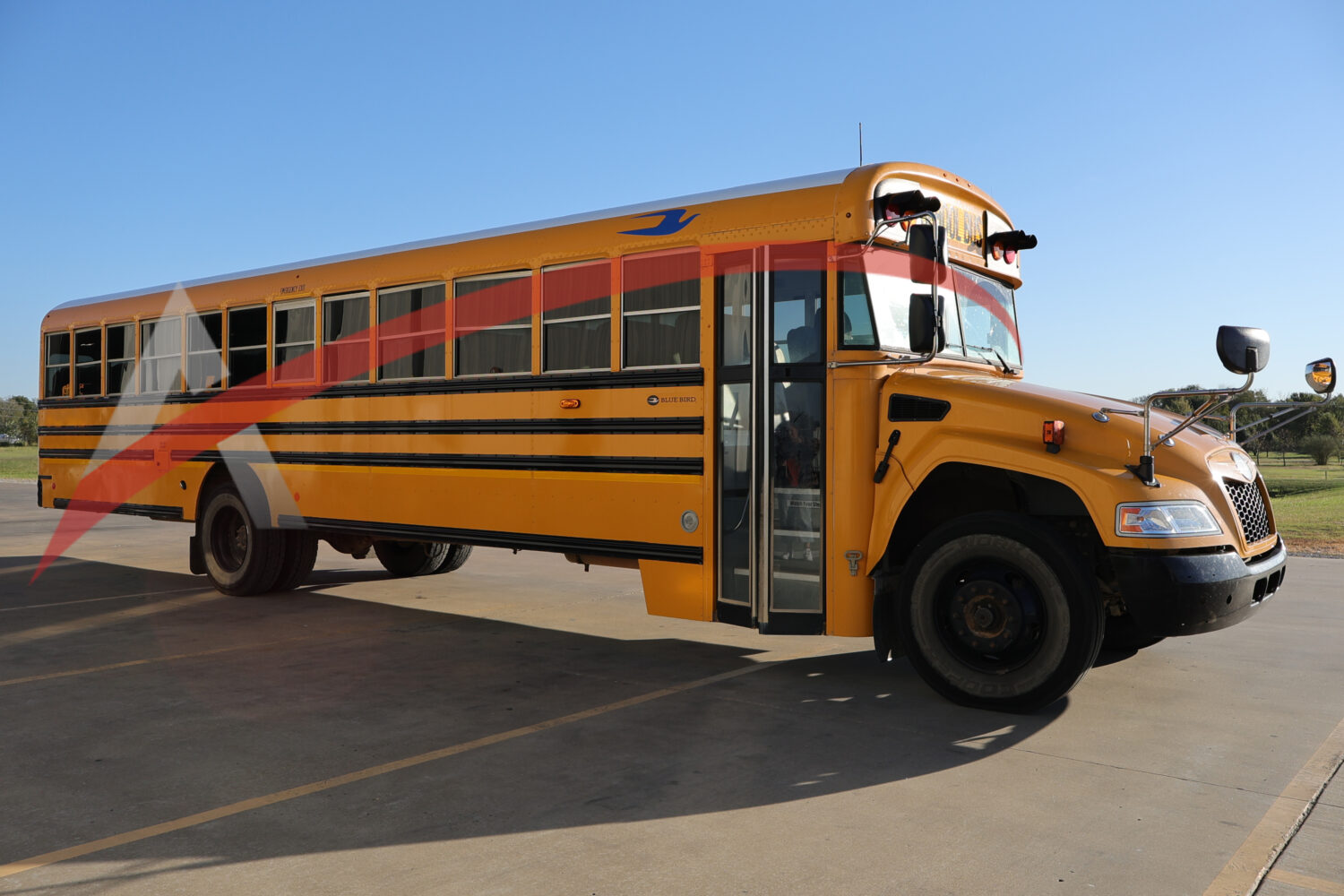
Whether you operate a transportation company, a church ministry, or a school fleet, purchasing a bus is an important investment. But just like cars and trucks, buses don’t hold the same value forever. Overtime age, mileage, condition, and market demand all influence what your bus will be worth when it’s time to sell or trade it in.
At American Bus Sales, we understand how important resale value is to fleet owners and organizations. Knowing what affects that value helps you protect your investment, plan for future upgrades, and make smart buying decisions from the start.
Let’s take a closer look at the main factors that impact the resale value of your bus, and how you can maintain the highest possible return when you’re ready to sell.
1. Age and Mileage
It’s no surprise that age and mileage are two of the biggest factors affecting resale value. Like most vehicles, the older a bus gets and the more miles it racks up, the lower its resale value tends to be.
However, buses depreciate differently depending on their type and use. For example:
• A well-maintained charter or coach bus may retain value longer due to better build quality and lower annual mileage.
• A school bus that operates on a daily route may show more wear and tear after just a few years.
Still, regular maintenance and consistent service records can help offset age and mileage. A newer bus with neglected care often sells for less than an older bus that’s been meticulously maintained.
At American Bus Sales, we often remind our customers: buyers don’t just look at how old your bus is, they look at how well it’s been cared for.
Spring Maintenance: Recover from Winter
After months of cold temperatures, road salt, and ice, spring is the perfect time to give your buses a thorough inspection.
2. Maintenance History and Service Records
Nothing builds buyer confidence like a clear and complete maintenance history. When a potential buyer can see that your bus has been properly serviced, it immediately increases the vehicle’s appeal and resale price.
Keep detailed records of:
• Oil changes and filter replacements
• Brake and tire inspections
• Transmission and engine service
• HVAC system maintenance
• Safety inspections and repairs
Even small items, like cleaning logs or notes about interior reupholstery, can make a difference. A clean paper trail tells buyers the bus has been cared for, reducing uncertainty and helping you command a higher price.
At American Bus Sales, every used bus we sell is fully inspected, serviced, and documented, because transparency builds trust and value.
3. Overall Condition: Exterior, Interior, and Mechanical
The physical condition of your bus is one of the first things buyers notice. Dents, rust, faded paint, torn seats, or worn flooring can all lower the resale price. On the flip side, a bus that looks clean, smells fresh, and runs smoothly will naturally attract more attention and higher offers.
To maintain your bus’s condition and resale value:
• Wash and wax the exterior regularly to prevent corrosion.
• Keep the interior clean and odor-free, especially if your bus carries passengers daily.
• Repair small issues early, before they turn into bigger (and more expensive) problems.
• Consider upgrading worn materials like seats, flooring, or lighting before selling.
Mechanical condition is equally important. Buyers and appraisers will often look at the engine performance, transmission health, suspension, and brakes before determining a price. Even small leaks or noises can raise red flags and reduce perceived value.
If you plan to sell your bus, scheduling a professional inspection before listing it can help you identify and fix issues that might lower its resale price.
4. Make, Model, and Brand Reputation
Not all buses hold value the same way. Some brands are known for their durability and dependability, which helps them maintain higher resale prices over time.
Manufacturers like MCI, Blue Bird, Prevost, Thomas Built, and International have built strong reputations in the industry for producing long-lasting, easy-to-service buses. A well-known, reputable brand gives buyers confidence, and that translates into a better resale value.
Additionally, the model of the bus matters. Certain models are in higher demand depending on their features and use case. For example:
• Shuttle buses with ADA accessibility retain strong resale value.
• Coach buses with restrooms and entertainment systems appeal to travel companies.
• School buses with low mileage and recent safety upgrades sell faster to public and private schools.
If you’re buying new, choosing a trusted brand and model with broad appeal is one of the best ways to protect future resale value.
5. Market Demand and Timing
Just like real estate or farming equipment, market demand can fluctuate, and timing your sale can make a big difference.
For example, during peak seasons (like late summer when schools and tour operators are preparing for fall schedules), used bus demand tends to rise. Similarly, supply shortages of new buses can boost demand, and resale prices, for used ones.
Other factors that affect market value include:
• Fuel prices (buyers may prefer more efficient buses when gas prices rise)
• Economic conditions (strong economies drive higher fleet investment)
• Industry trends (such as electric or hybrid bus demand)
At American Bus Sales, we monitor market trends year-round to help customers understand when it’s the best time to buy or sell.
6. Upgrades and Custom Features
Modern features and upgrades can give your bus a competitive edge in the resale market. Buyers love convenience, comfort, and safety, especially when it’s already built in.
Common upgrades that increase resale value include:
• Air conditioning and heating systems in good working order
• ADA accessibility, lifts, and ramps
• Backup cameras and GPS tracking
• Modern seating, flooring, and LED lighting
• USB charging ports or Wi-Fi for passenger convenience
If you’ve made thoughtful upgrades or installed new equipment, make sure to document them. Highlighting improvements in your listing can help justify a higher asking price.
That said, not all upgrades add equal value. Luxury features may not appeal to every buyer, so focus on practical, widely desired options that improve safety, comfort, and efficiency.
7. Fuel Type and Efficiency
The engine type and fuel efficiency of your bus can also influence resale value, especially as fuel costs and emissions regulations continue to evolve.
Diesel engines have traditionally been popular for their power and longevity, but clean diesel, propane, and CNG (compressed natural gas) models are gaining popularity for being more eco-friendly and cost-effective over time.
Electric and hybrid buses are another fast-growing segment. As infrastructure improves, these options are expected to retain strong resale value because of lower operating costs and increasing demand for greener transportation.
If you’re purchasing a new bus today, consider future fuel trends. A bus that’s efficient and compliant with environmental standards will hold value longer and appeal to a broader market later on.
8. Documentation and Title History
Paperwork might not be exciting, but it’s essential for resale. Buses with clean titles, up-to-date registrations, and complete maintenance documentation are easier to sell and command better prices.
Potential buyers may walk away from a deal if:
• The title is branded (e.g., rebuilt, salvage, or flood).
• The maintenance records are missing.
• The bus has a history of accidents or major repairs.
Always keep your records organized and accessible. The more documentation you can provide, the more confident a buyer will feel in paying your asking price.
9. Visual Appeal and First Impressions
When it comes to resale, first impressions matter. A bus that looks clean, polished, and professional instantly attracts more interest. Buyers often make emotional decisions based on appearance before ever checking the mechanical details.
A simple detail job like washing, waxing, cleaning seats, and shining tires, can go a long way. Repainting or replacing faded decals can also give your bus a “like-new” look without a major investment.
If you’re listing photos online, good lighting and clear angles help showcase your bus’s best features. The goal is to make your listing stand out and tell buyers, “This vehicle was cared for.”
10. Partnering with the Right Dealer
Finally, where you sell your bus can make a major difference in resale value. Working with an experienced, reputable dealer like American Bus Sales can help you get the best possible return.
We have decades of experience buying, selling, and reconditioning buses of all types, school buses, shuttle buses, coach buses, and more. Our experts know exactly what today’s buyers are looking for and how to present your bus in the best possible light.
Final Thoughts
Your bus is an investment, and like any investment, protecting its value takes effort. Regular maintenance, smart upgrades, and clean documentation go a long way in helping your bus hold its worth.
When you’re ready to sell, turn to American Bus Sales. We’ll help you understand the true market value of your vehicle and give you an honest appraisal.
Whether you’re upgrading your fleet or selling a single unit, our goal is to make sure you get the maximum resale value for your bus, because your hard work deserves the best return possible.
Contact American Bus Sales today at 866.574.9970 to learn more about our buses for sale.
Contact Us
Hours: Mon-Fri 7:30AM-4:30PM
Website: https://americanbussales.net/
Phone: 866-574-9970
Address: 12802 North 103rd E Ave, Collinsville, OK 74012
